Educators are being called on to broaden their food and nutrition education in schools because there is a shift in what food education is. No longer is food education just about what is healthy and what is not, it is becoming a field concerned with the wider concept of food (different foods, agriculture, resources etc.) and with building food literacy (Welch and Leahy, 2018). This is in order to educate students into making healthier choices and puts the onus on them to take responsibility for their own decisions.
The IVAC model aims to get students learning through participating in and taking action to make change (Carlson and Simovska, 2012). The IVAC model focuses on students: Investigating, having a Vision and taking Action to initiate Change. This connects with the propositions of health, which asks students to take a strengths based approach to build health literacy and apply the ideas into daily life. This can be done through cooking, meal planning and preparation in class, roleplay, creating a healthier canteen or sustainable school garden for example.
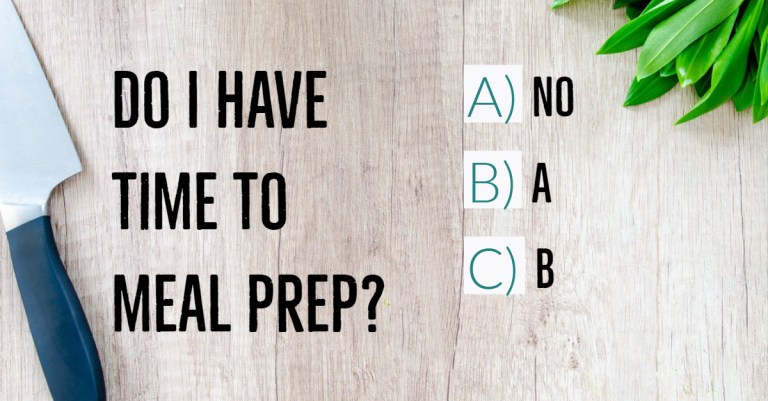
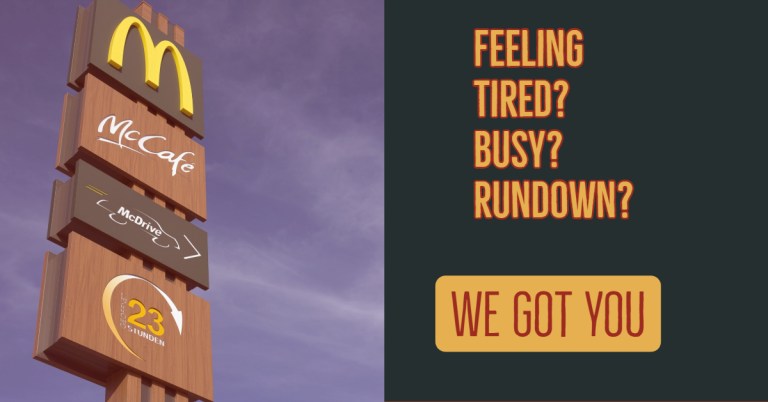
Week Two, we were required to pick a Unit and Area of Study of VCE Health and create a meme based on the area of study we chose. For my creations seen below, I chose Unit 1, Area of Study Two. The key knowledge I selected was social, cultural and political factors that act as enablers and barriers to healthy eating in youth. For my memes, I decided to focus on the cultural and social barriers that influence youth and young adult’s eating choices, often impacting their choices negatively. The focus on food and nutrition in health education is focused on increasing food literacy in students and informing them about nutritional values, to empower them to make wiser food choices (Welch and Leahy, 2018). One such focus is exploring concepts that enable or bar people from access to healthy food. These fall under multiple categories and as mentioned, I have decided to focus on cultural and social barriers in my memes. The first one highlights that time can be a barrier to eating healthy. We live in a society where people are constantly busy and are prepared to take the easy option or even skip meals altogether, as opposed to finding time to prepare dinner. The second, highlights this as well, but also references being tired and run down. People can get bogged down with stress or poor mental health and often start to neglect themselves, putting poor food in, matching how they feel.
References
Simovska, V., & Carlsson, M. (2012). Health-Promoting Changes with Children as Agents: Findings from a Multiple Case Study Research. Health Education, 112(3), 292-304.
Welch, R. & Leahy, D. (2018). Beyond the pyramid or plate: Contemporary approaches to Food and Nutrition education.
 Health Education Research Reflections